| Carl Fabergé and Antiques |
АНТИКВАРНЫЕ ИЗДЕЛИЯ ФАБЕРЖЕ
|
Фаберже был одним из главных ювелиров двух последних царей династии Романовых. Работа Фаберже изменила отношение к ювелирным изделиям в России, он приложил дополнительные усилия для производства изделий высшего качества с захватывающим дух дизайном. Шедевры Фаберже всемирно известны и являются одними из самых ценных произведений искусства в мире. Он стоял за созданием множества великолепных предметов, таких как невероятные украшения, шкатулки и красивые эмалевые работы.
Фаберже более последовательно, чем любая другая российская ювелирная фирма, освоила и развила массовое производство изделий из серебра и внедрила для этого инновационные технологии и методы. Одной из специализаций Фаберже было создание множества изделий, которые, хотя и были недорогими, но были изысканными и технически великолепными.
Фаберже как и другие российские ювелирные фирмы, производил большое количество серебряных изделий в стиле европейского модерна, особенно недорогих изделий, предназначенных для массового тиражирования.
ФАБЕРЖЕ - наиболее последовательный и блестящий последователь общеевропейского направления русского серебра, которое он развил в отношении стиля и мастерства.
|
Click on images below
| |
for more information
|
|
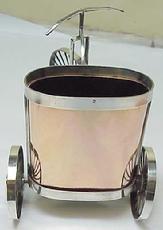
Faberge M.Perchin Bike
|
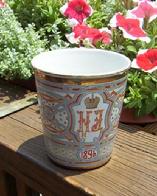
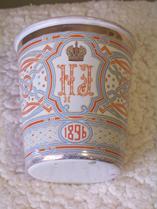
Coron.Cup #3 *SOLD*
|
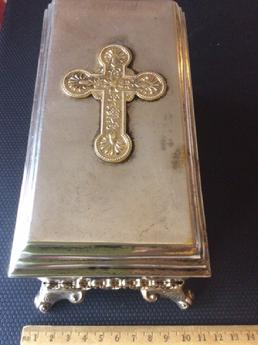
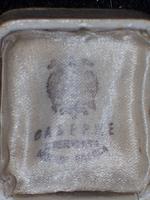
Russian Imperial silver 84 gift box to Mitropolit Levitsky
|
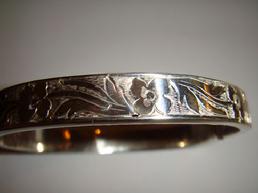
Faberge Bracelet with Diamond * SOLD *
|
Faberge gold-56 brooch, Michael Perchin * SOLD *
|
Faberge gold-56 brooch, Feodor Afanassiev *SOLD*
|
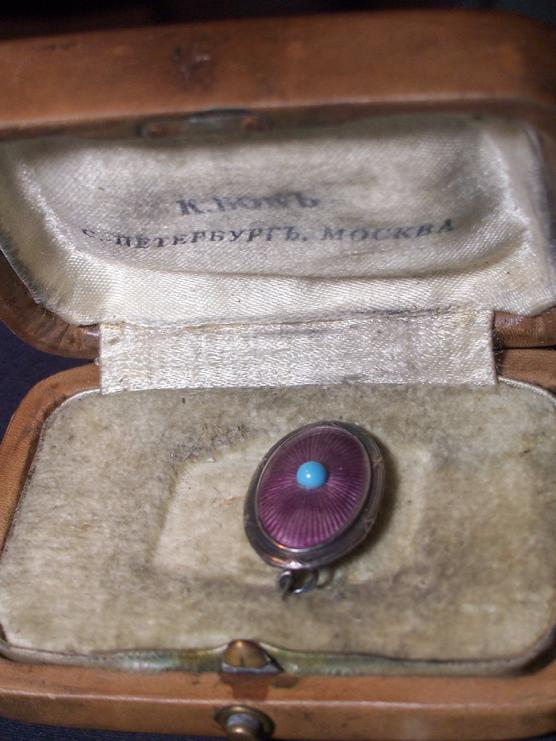
K. Bock box with guilloche silver brooch * SOLD *
|
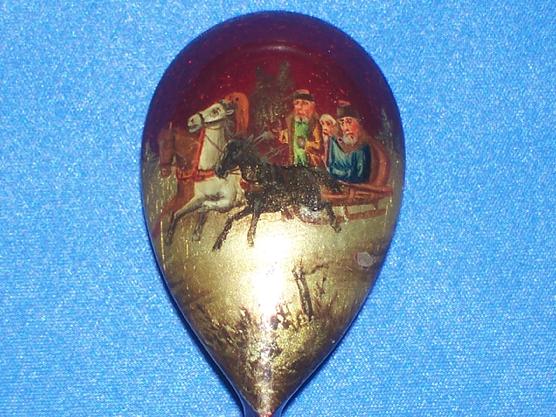
"Troika" Silver Red Lacquer Spoon by Petr Shulgin
|
|
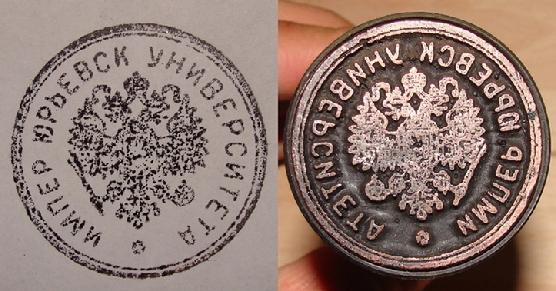
Urievskiy Imperial University ink stamper 1893 * SOLD *
|
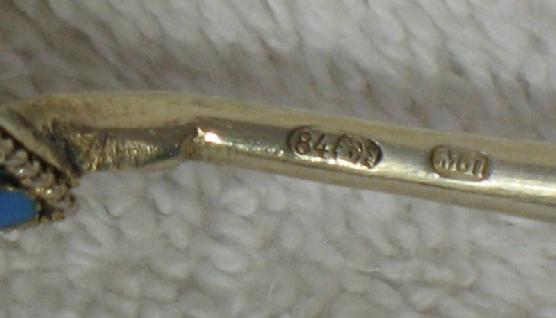
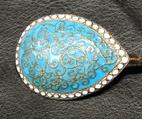
Michail Perchin-Faberge Cloisonne enamel Spoon *SOLD*
|
|
Russian 84 bracelet *SOLD*
|
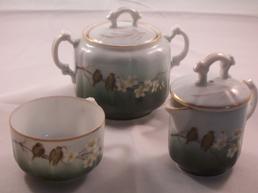
Porcelain set Gardner * SOLD *
|
|
1904 Silver Red Lacquer Spoon by Maria Semenova * SOLD *
|
|
Coron.Cup #5 *SOLD*
|
Faberge H.Wigstrom
|
|
Wissotskiy box # 2 *SOLD*
|
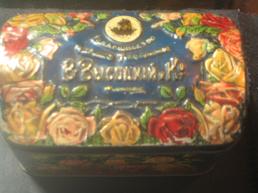
Wissotskiy box # 1 * SOLD *
|
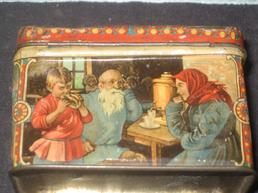
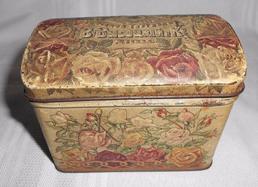
Wissotskiy tin tea box # 3
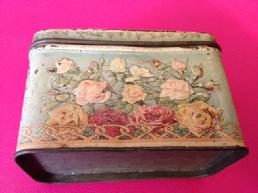
| Wissotskiy tin tea box # 4
|
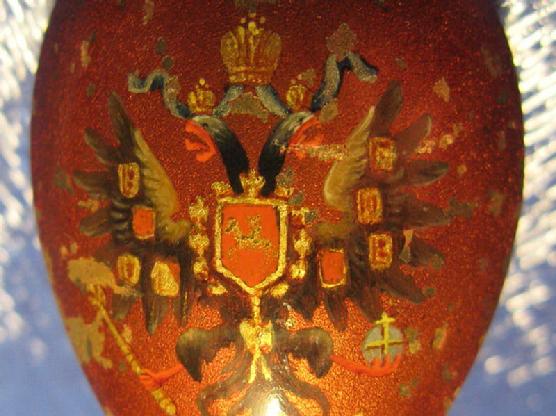
Double Eagle lacquer spoon by Ivan Saltukov * SOLD *
|
Wisotskiy tea tin box *SOLD*
| Popov tea tin box * SOLD *
|
|
Carl Faberge fork in a original fitted case *SOLD*
|
|
Huge spoon by F.Ruckert
|
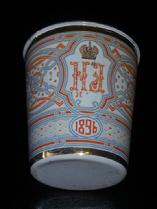
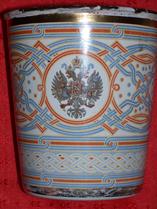
1896 Coron. Cup *SOLD*
|
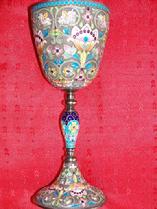
Goblet Khlebnikov SOLD
|
|
Case by *FA* Feodor Afanasiev, Faberge's master * SOLD *
|
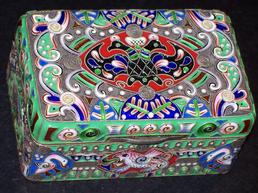
Faberge Feodor Ruckert Box
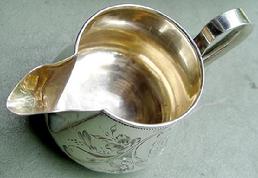
| Creamer I.Khlebnikov *SOLD*
|
|
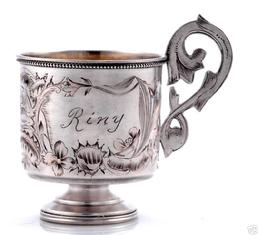
Silver cup *Riny* *SOLD*
|
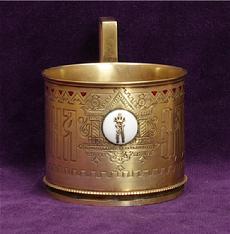
Tsarevich Aleksey Cup Faberge
|
|
Antique bracelet
|
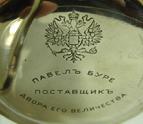
1906 Pavel Bure *SOLD*
|
Antique inkwell SOLD
|
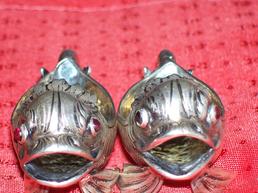
Faberge two open salt *SOLD*
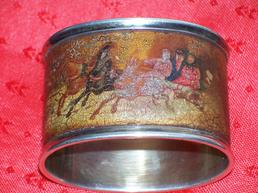
| Veydei napking ring *SOLD*
|
|
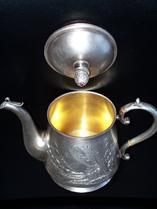
Teapot K. Faberge SOLD
|
|
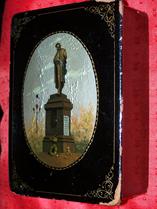
Papier mache box
|
|
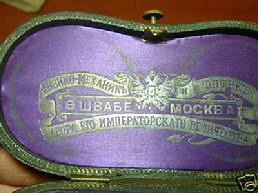
Schwab Binocular Case
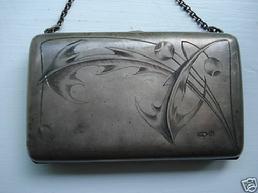
| 1911 silver purse *SOLD*
|
|
"Klingert style" Saltykov
|
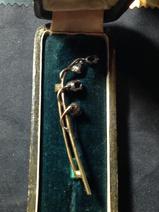
Faberge pin *SOLD*
|
Antique pend. *SOLD*
|
|
Faberge Gold Ring *SOLD*
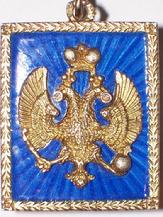
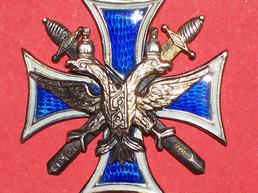
| Faberge Cross Jetton-Pendant
|
|
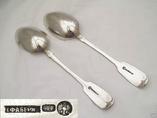
Faberge spoons *SOLD*
|
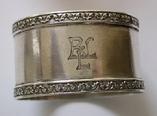
2 napkin rings * SOLD *
|
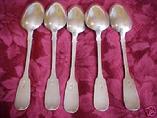
Faberge 5 spoons *sold*
|
| ПЕРЕХОД В РАЗДЕЛ ВСЁ НА-РУССКОМ |
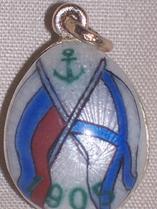
Fabergé was one of the main jewelers to the last two czars of the Romanov dynasty. Fabergé's work changed how jewelry was looked on in Russia, he put extra effort into producing top quality products in breathtaking designs. Fabergé's masterpieces are world-known and are one of the most valuable pieces of art in the world. He was behind production of many gorgeous items such as: incredible jewelry, boxes, & beautiful enamel works.
Peter Carl Fabergé original name Carl Gustavovich Fabergé (May 30, 1846–September 24, 1920) was a Russian jeweller, best known for the fabulous Fabergé eggs, made in the style of genuine Easter eggs, but using precious metals and gemstones rather than more mundane materials.He was born in St. Petersburg to the jeweller Gustav Fabergé and his Danish wife Charlotte Jungstedt. Gustav Fabergé’s father’s family were Huguenots who, lived in La Bouteille, Picardie, fled from France after the revocation of the Edict of Nantes, initially to Germany near Berlin, then in 1800 to the Baltic province of Livonia, then part of Russia.Young Faberge began his education at St. Anne's Gymnasium, the German school in St. Petersburg. In 1860, the family moved again, to Dresden, and shortly thereafter, the teenage Carl went on a study trip, learning the jeweller’s craft at the House of Friedman in Frankfurt. In 1864, he returned to St. Petersburg and joined his father’s business, taking over its management in 1872.Carl and his younger brother Agaton were a sensation at the Pan-Russian Exhibition held in Moscow in 1882. Three years later, Tsar Alexander III appointed him an official Court Supplier, as a reward for making him a splendid Easter egg to give to his wife. Thereafter, Fabergé made an egg each year for the Tsar to give to the Tsaritsa Maria. The next tsar, Nicholas II, ordered two eggs each year, one for his mother and one for his own wife, Alexandra, a practice which continued from 1885 to 1917.He became the Tsar’s Court Goldsmith in 1885. The Imperial Easter eggs were a sideline; Fabergé made many more objects ranging from silver tableware to fine jewellery. Fabergé’s company became the largest in Russia, with 500 employees and branches in St. Petersburg, Moscow, Odessa, Kiev and London. It produced some 150,000 objects between 1882 and 1917. In 1897 the Swedish court appointed Fabergé Court Goldsmith. In 1900 his work represented Russia at the 1900 World’s Fair in Paris.
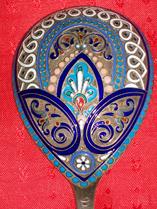
FABERGE was more consistent than any other Russian jewellery firm in mastering and developing the mass production of silverware and introduced innovatory technology and techniques for the purpose. One FABERGE speciality was the creation of numerous articles, which although inexpensive were nevertheless refined and technically magnificent. These were enameled over a "guilloche" ground, i.e. the decoration was mechanically engraved on an object's surface using a special machine-tool and then covered it with transparent multishaded enamel.
FABERGE, like other Russian jewellery firms, produced a great number of silver objects in the style of European Art Nouveau, especially those inexpensive articles intended for mass reproduction.
FABERGE is the most consistent and brilliant follower of the general European trend in Russian silver which he developed with respect to style and artistry.
|
|